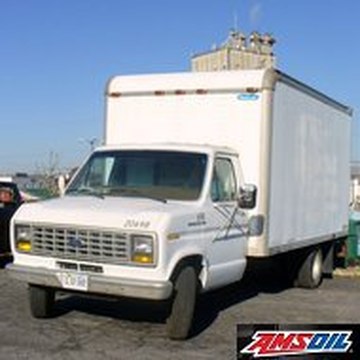
Maintaining Lubrication Standards for the 1981 Ford Trucks E350 VAN 7.5L
Proper engine maintenance for a large-displacement vehicle like the 1981 Ford Trucks E350 VAN requires a disciplined approach to fluid management and component inspection. With a 7.5L engine, the lubrication system is a primary focus for ensuring long-term operational stability. Maintaining this heavy-duty powerplant involves more than just periodic oil changes; it requires an understanding of how various components age and how to monitor the vehicle's health through visual and auditory cues.
Monitoring Fluid Integrity and Potential Leaks
One of the most effective ways to monitor the condition of a 1981 Ford Trucks E350 VAN is through regular visual inspections of the engine bay and undercarriage. Over time, various seals and gaskets may experience changes in their ability to contain fluids. When performing routine checks, look for signs of seepage or active leaks around the engine block and connection points.
If you notice wetness or staining on the underside of the vehicle or around the engine casing, it warrants further investigation. It is important to note that a single symptom, such as a small puddle, can be associated with several different components. Rather than assuming a specific seal has failed, use these observations to guide a more thorough inspection of all accessible gaskets and sealing surfaces. Consistent monitoring allows you to address minor seepage before it evolves into a more significant issue.
Observing Operational Warning Signs
Beyond visual inspections, the way the engine behaves during operation provides critical information regarding its lubrication status. Owners should remain attentive to any changes in how the vehicle runs or sounds. For instance, unusual mechanical noises that were not previously present can sometimes be linked to changes in lubricant condition or volume.
If you notice a change in the appearance of the exhaust or observe unexpected fluid consumption, these are indicators that the engine's internal environment may need attention. Similarly, if any warning indicators appear on the dashboard related to oil levels or pressure, immediate investigation is necessary. Because many different mechanical issues can produce similar symptoms, these signs should be treated as prompts for a professional diagnostic check rather than definitive proof of a specific part failure.
Managing Maintenance Records and History
For an older vehicle such as this 1981 model, the quality of maintenance history is often as important as the physical condition of the engine. If you have recently acquired this E350 VAN, establishing a maintenance baseline is a high priority. This involves reviewing any available service records to understand what has been replaced and how frequently fluids have been changed in the past.
If documentation is incomplete, your first goal should be to create a reliable record of all future services. Documenting every oil change, filter replacement, and fluid top-off provides a clear picture of the vehicle's service life. This history helps in distinguishing between routine preventive maintenance and necessary repairs. By keeping detailed logs, you can more easily identify patterns—such as an increasing frequency of fluid consumption—which can assist in making informed decisions about long-term ownership and repair priorities.
Systematic Inspection of Aging Components
As vehicles age, certain peripheral components require more frequent scrutiny. While the engine is the heart of the vehicle, its supporting systems must also be functional to prevent secondary issues. When performing service, it is practical to inspect accessible belts, if equipped, for signs of wear such as cracking, glazing, or fraying. Similarly, check any visible hoses for signs of deterioration, such as hardening or swelling.
Electrical connections and wiring harnesses should also be inspected for signs of corrosion or heat-related damage. Ensuring that sensors and connectors are clean and secure is a vital part of maintaining the engine's operational efficiency. Rather than replacing parts based solely on the age of the vehicle, focus your efforts on components that show actual physical evidence of wear or degradation. This condition-based approach ensures that maintenance resources are directed where they are most needed.
Prioritizing Service Tasks Based on Condition
Effective maintenance for a 7.5L Ford engine involves prioritizing tasks based on the current state of the vehicle rather than following a generic timeline. If you identify an active leak or notice a change in fluid color or consistency, these issues should take precedence over general preventive tasks. Addressing immediate concerns helps prevent more complex mechanical problems from developing.
When deciding between different maintenance paths, distinguish between necessary repairs and unnecessary parts replacement. For example, if a component is functioning correctly and shows no signs of wear during inspection, there may be no need to replace it simply because the vehicle is decades old. Instead, focus on monitoring that component closely. This strategy allows for more efficient management of the vehicle's upkeep while ensuring that critical systems remain within safe operating parameters.
Practical Advice for BUYING ENGINE OIL for your 1981 Ford Trucks E350 VAN 7.5L
When it is time to replenish the lubrication in your engine, accuracy in selection is paramount. You must match the engine oil to the application-specific viscosity information already displayed on this webpage. Do not rely on general automotive knowledge or assumptions based on the vehicle's age to determine the correct grade.
When you are ready to purchase, consider the following steps:
- Verify Viscosity: Always check that the SAE viscosity of the oil you are buying matches the specific requirements listed in the application information provided above.
- Check API Certification: Ensure the product carries the appropriate API certification for your needs.
- Evaluate Formulations: Depending on the engine's current condition and your maintenance goals, you may choose between conventional, synthetic blend, or full synthetic oils. Some high-mileage oil formulations also contain additives intended for use in aging engines, including seal-conditioning additives.
- Inspect Labels: Always read the product packaging carefully to confirm that the oil meets the technical specifications required for this 7.5L application.